
Ask for a Pack Out Photo: Plastic Free Shipping in Canada
Plastic free shipping means your order arrives in packaging with no single-use plastic at all: no bubble wrap, no polybags, no plastic tape. Instead, sellers use paper, cardboard, or compostable fillers. Some sellers ship their plantable greeting cards this way, and Canadian carriers and industry groups are moving the same direction, which makes checking a seller’s actual labelling and packaging claims worth your time before you buy.
TL;DR:
- Most sellers shipping plastic-free use paper or cardboard packaging with no plastic tape, polybags, or plastic film inserts, but verification is essential.
- Fragile or heavy items benefit from double-boxing and corrugated protectors, while flat items like greeting cards require only a sturdy paper mailer for safe delivery.
- Asking for photos of the actual packaging and detailed information on materials helps confirm a seller’s genuine commitment to plastic-free shipping.
- Canadian regulations and industry efforts are pushing for clearer labeling and region-specific disposal guidance to prevent misleading claims.
- Plastic-free packaging generally costs more and may lead to slightly higher prices, but it offers better recyclability and compostability compared to plastic alternatives.
Table of Contents
- Quick checklist: what to check before you buy
- Materials and protection: matching the wrapper to the gift
- How to choose a seller or request plastic-free shipping
- How Canadian rules and carriers shape plastic-free claims
- How Greet n’ Grow builds plastic-free shipping into every order
- Does skipping plastic mean more damaged parcels?
- What plastic-free shipping actually costs, and who pays for it
- Why most plastic-free advice misses the point
- Plantable cards, shipped without the plastic
- Sources
- FAQ
Quick checklist: what to check before you buy
Before you click “add to cart,” a little label-reading goes a long way. The goal is simple: confirm that what wraps your gift won’t outlive the gift itself.
Start with the outer layer. A paper mailer or plain cardboard box is a good sign. A polybag, a plastic overwrap, or a windowed envelope with a plastic film insert is not, even if the card inside is lovely.
- Check for paper tape or gummed kraft tape instead of plastic packing tape.
- Look for crinkle paper, shredded paper, or die-cut kraft inserts as cushioning rather than poly bubble film.
- Confirm there’s no plastic window, no laminate coating, and no stretch wrap holding bundles together.
- Ask whether the seller can send a pack-out photo showing exactly what the parcel looks like before it ships.
- Prefer ground shipping over air when the packaging includes anything compostable, since ground parcels spend less time in transit and handling extremes.
Pro Tip: If a product page doesn’t mention packaging materials at all, message the seller directly and ask. A seller shipping plastic-free almost always says so, because it costs them more to do it right.
A quiet confidence runs through sellers who’ve nailed this. They don’t hide behind vague green language. They tell you exactly what’s in the box.
Materials and protection: matching the wrapper to the gift
Not every plastic-free material protects every item the same way, and knowing the difference saves you from a cracked frame or a crushed card.
- Paper mailers suit flat, sturdy items like greeting cards, documents, and lightweight soft goods; they flex without tearing and use far less material than a box.
- Corrugated boxes suit anything with corners, weight, or fragility, such as mugs, small jars, or framed items, because the fluted layer absorbs shock that a flat mailer can’t.
- Crinkle paper and die-cut kraft inserts cushion movement inside a box; they work well for light to moderate protection but won’t match the compressive strength of bubble wrap for heavier, breakable items.
- Biodegradable packing peanuts fill awkward gaps around irregular shapes, though they shift more than snug corrugated inserts.
- Double-boxing with corrugated corner protectors is the go-to for genuinely fragile pieces. A Canadian conservation packing note describes two-box systems with reusable corners as both protective and repairable, a method worth asking about if you’re ordering something delicate.
A simple home test helps too: a drop from about one metre onto a hard floor. If the parcel and its contents are unharmed, it will likely survive normal carrier handling, according to a Canada Post packaging guide.
How to choose a seller or request plastic-free shipping
You don’t need to be an expert to vet a seller. A short, polite message does most of the work.
- Ask what the outer packaging is made from, specifically (cardboard type, paper mailer brand, or similar).
- Ask what the void fill is: paper, biodegradable peanuts, or something else.
- Ask what tape is used and whether it’s gummed kraft rather than plastic-based.
- Ask for disposal instructions: compost, recycle, or both, depending on where you live.
- Ask for a pack-out photo if the listing doesn’t already include one.
- Ask what happens if the packaging arrives damaged or mislabelled, since a seller with no policy for that is rarely careful about the claim in the first place.
Watch for red flags: packaging photos that show a plastic mailer despite “eco-friendly” copy, claims of “recyclable plastic” with no explanation of where that’s actually accepted, or no willingness to answer a direct question. Words like “compostable” and “biodegradable” mean little without backup. Ask for a certification or a supplier spec sheet, and remember that compostability in one region doesn’t guarantee it in yours.
How Canadian rules and carriers shape plastic-free claims
Plastic-free claims are only useful if they’re accurate, and that’s exactly what regulators are now targeting. The Government of Canada has proposed rules restricting vague terms like “compostable” or “biodegradable” on packaging, with third-party verification and QR-coded, region-specific disposal guidance planned to reduce confusion at the bin.
Canada Post’s own environmental plan commits to phasing out single-use plastic film in its retail operations and sourcing more fibre-based packaging, alongside a goal to divert a high percentage of operational and construction waste by 2030, according to its environmental plan. That matters for you as a buyer because the carrier moving your parcel is also pushing suppliers toward paper.
Industry guidance reinforces the same point. The Sustainable Mail Group’s annual report describes a plastics road map built around eliminating plastic film and envelopes, replacing them with paper, and following “Golden Design Rules” that favour mono-material packaging over mixed plastic-and-paper laminates, which are harder to recycle and often skip the recycling stream entirely. Since recycling and composting rules differ by municipality, ask sellers for disposal guidance specific to your province or territory rather than assuming a general claim applies everywhere.
How Greet n’ Grow builds plastic-free shipping into every order
Every plantable card we send travels in a paper mailer or recyclable cardboard box, with a kraft envelope inside and no single-use plastic anywhere in the pack-out.
Bundled orders ship in recyclable cardboard sized to the order, not an oversized box padded with filler. If you’d like to see what that looks like before you order, we’re glad to share pack-out photos on request. You can read more about how the cards themselves break down and grow once planted.
— Trevor
Does skipping plastic mean more damaged parcels?
Plastic-free doesn’t have to mean fragile, but it does mean choosing the right material for the right item. Paper and cardboard protect differently than plastic film: cardboard resists crushing well, while plastic film resists moisture and puncture better in certain conditions.

The main risk with compostable or paper-heavy packaging is weather exposure. A Canada Post greening guide notes that compostable materials can weaken if a parcel sits out in rain or goes through a freeze-thaw cycle before pickup. The fix isn’t more plastic, it’s smarter choices: weather-secure delivery options, robust paper barriers for compostable interiors, and snug-fitting boxes that limit movement in transit.
For genuinely delicate items, sellers who double-box or add corrugated corner protectors see the best outcomes, since the structure does the protecting rather than a plastic cushion. Flat items like greeting cards carry little risk either way. A well-sized paper mailer holds a card as securely as any plastic sleeve, without the waste.
If you’re ordering something perishable alongside a card, such as flowers, the same principle holds. A florist packaging guide on paper-based materials for cut flowers shows that cardboard and paper barriers can maintain freshness for several days without plastic film, provided the box is sized correctly and shipped promptly.
What plastic-free shipping actually costs, and who pays for it
Switching away from plastic isn’t free for sellers. Paper mailers, corrugated inserts, and gummed kraft tape generally cost more per unit than plastic polybags and packing tape, and compostable void fill often costs more again than plastic air pillows. Sellers also absorb time costs: sourcing mono-material packaging that meets the Sustainable Mail Group’s design rules takes more supplier research than defaulting to whatever plastic option ships fastest.
Some of that cost shows up in the price you pay, though not always directly. A seller committed to plastic-free packaging may build a small premium into the product price rather than charging a separate “eco shipping” fee, which keeps the checkout simple but means the packaging choice is baked into what you’re already paying.
The trade-off usually favours the buyer in the long run. Paper-based packaging is widely accepted in municipal recycling and, where accredited, composting streams, while plastic film often isn’t accepted curbside at all, pushing the disposal problem (and its cost) onto the household. A PPEC overview of circularity notes that paper collected in Canada is processed by Canadian mills and remade into new packaging, which keeps the material moving instead of sitting in landfill. That’s a cost worth paying for, even if it shows up as a few extra cents on the price tag rather than a line item at checkout.
Why most plastic-free advice misses the point
Most guidance on this topic focuses on materials: use paper, avoid plastic, done. That’s a start, but it skips the part that actually protects you as a buyer, which is verification. A seller can call packaging “eco-friendly” without it meaning anything specific, and until recently there was little pushing them to be precise.
What matters most is asking for specifics before you buy, not after your parcel arrives. A pack-out photo and a straight answer about tape and void fill tell you more than any marketing phrase. Regulatory change is catching up, with proposed labelling rules aimed at exactly this kind of vague claim, but until those rules are fully in place, the burden sits with buyers to ask.

If you prioritize one thing, make it this: judge sellers by what they’re willing to show you, not what they’re willing to say. A seller who sends a photo of the actual box is telling you something a label never will.
Plantable cards, shipped without the plastic
A greeting card is one of the simplest places to make a plastic-free choice, because the item itself is light, flat, and doesn’t need heavy packaging to arrive safely. Our plantable cards ship in a paper mailer or recyclable cardboard, with no polybag, no plastic window, and no single-use plastic in the void fill.
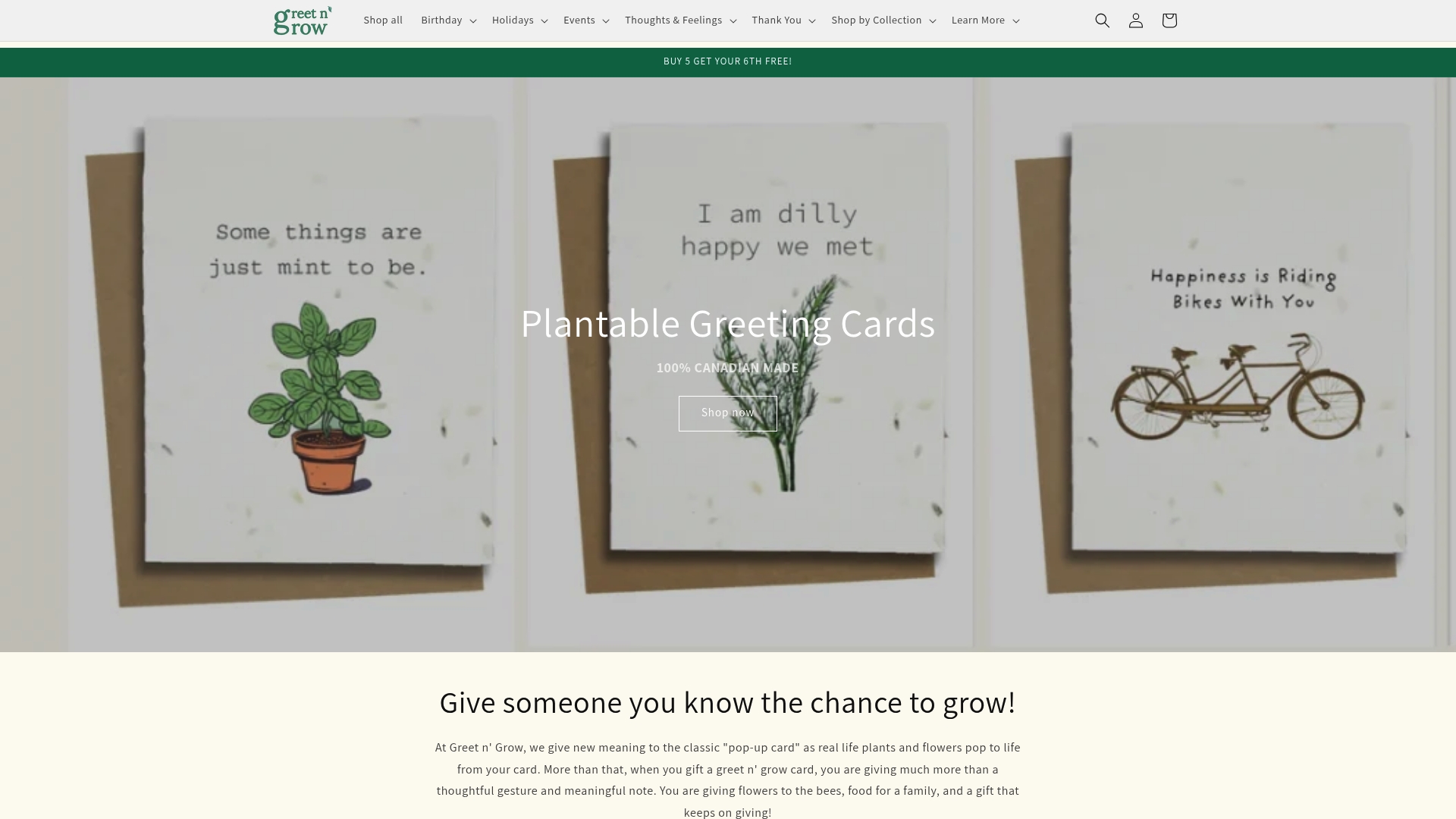
If you’re shopping for a wedding, browse the Plantable Wedding Cards collection, or check the Easter Chick Card for a seasonal gift that arrives exactly as described, plastic-free, paper-wrapped, and ready to plant. Visit the full Plantable Greeting Cards collection to see what fits your occasion.
Sources
FAQ
What does “plastic free shipping” actually mean?
It means no single-use plastic appears anywhere in the outer packaging or void fill, including polybags, bubble wrap, plastic tape, or plastic windows. Paper, cardboard, and compostable fillers replace those materials instead.
How can I tell if a seller’s plastic-free claim is genuine?
Ask for a pack-out photo and specifics on the tape, void fill, and outer packaging used. Vague terms like “eco-friendly” without detail, or photos showing poly mailers, are signs the claim may not hold up, and proposed federal labelling rules aim to curb exactly this kind of vagueness.
Does plastic-free packaging protect items as well as plastic?
It depends on the material and the item. Cardboard and double-boxing protect fragile items well, while flat items like greeting cards are just as safe in a paper mailer as in any plastic sleeve.
Do some sellers ship their cards without plastic?
Yes, some plantable cards ship in a paper mailer or recyclable cardboard with a kraft envelope and no single-use plastic in the packaging. Bundled orders may ship the same way, sized to the order rather than padded with excess filler.
Why do some sellers charge more for plastic-free shipping?
Paper-based materials and compostable fillers generally cost more per unit than plastic alternatives, and sellers may build that cost into the product price rather than a separate shipping fee. The trade-off is packaging that’s accepted in most municipal recycling and composting programs, unlike much plastic film.