
Wait for soil to reach 7–10°C before planting seed paper in Canada
Plant seed paper outdoors in Canada in spring after your last frost date, or in early autumn if your soil is still warm from summer. If you garden somewhere with hard winters, skip the outdoor guesswork and plant indoors in pots year-round instead. However you sow it, expect sprouts within 7 to 10 days and blooms in 8 to 12 weeks.
TL;DR:
- Plant seed paper outdoors in Canada after the last frost date and when soil temperatures reach 7 to 10°C, typically between spring and early autumn.
- Coastal British Columbia and the Lower Mainland allow for flexible planting in both spring and fall, while the Prairies benefit from starting indoors and transplanting outside later.
- Indoor planting is a reliable year-round option in short or unpredictable seasons, requiring proper containers, light, warmth, and gradual outdoor hardening.
- Seed paper remains viable for about two years if stored in a cool, dry place, but germination success declines with age.
- Germination usually takes 7 to 10 days, with blooms appearing in 8 to 12 weeks, depending on moisture, soil warmth, and planting conditions.
Table of Contents
- When is the best time to plant seed paper in Canada?
- How does planting timing vary across Canada’s growing zones?
- Can you plant seed paper indoors year-round in Canada?
- What are the exact steps to plant seed paper?
- How long does seed paper stay good, and how should you store it?
- Why won’t my seed paper sprout, and how do you fix it?
- Where does Greet n’ Grow’s Canadian planting expertise come from?
- What actually matters most when timing your planting?
- Ready to plant something meaningful this year?
- Sources
- FAQ
When is the best time to plant seed paper in Canada?
Timing comes down to two things: frost and soil warmth, not the calendar page you’re looking at. Planting before your region’s last frost is the single most common way seed paper fails, since a late cold snap can kill tender sprouts before they’ve had a chance to establish. Soil temperature matters just as much. Seeds germinate reliably once the ground warms to roughly 7 to 10°C, which usually lines up with the general recommendation to plant between spring and early autumn in climates without hard freezes.
Spring remains the easiest window for most Canadian gardeners, since rising temperatures and longer daylight hours make germination more predictable than any other season. Early autumn can work too, but only while the soil still holds summer warmth, before nighttime temperatures start dropping hard.
A few quick rules keep things simple:
- Wait until the soil feels workable and warm to the touch, not just frost-free on the calendar.
- Avoid planting into frozen or waterlogged ground.
- Skip the peak of a heat wave. Extreme heat stresses germinating seeds almost as much as frost does.
- If you’re unsure whether frost risk has fully passed, wait one more week. It costs you little and protects the whole planting.
How does planting timing vary across Canada’s growing zones?
Canada’s geography means “spring” looks different depending on your postal code. A gardener in Victoria is often planting weeks before someone in Winnipeg even sees bare ground.
- Coastal British Columbia and the Lower Mainland: Mild winters give you flexibility. Both spring and fall planting work here, and fall sowing can actually set up better blooms the following year since the soil rarely freezes hard. Our BC-specific timing guide breaks this down further.
- The Prairies (Alberta, Saskatchewan, Manitoba): Short growing seasons and late spring thaws mean outdoor sowing works best right after the ground softens. Given the compressed window, starting seed paper indoors and transplanting later is often the safer bet.
- Ontario, Quebec, and the Atlantic provinces: Spring is the safest choice for outdoor planting. Early fall is possible if the soil has retained warmth from summer, but don’t push it much past September.
- Northern and very short-season regions: Reliable outdoor windows are narrow or nonexistent for parts of the growing year. Indoor sowing followed by transplanting once frost risk has fully passed gives seedlings a real head start.
Can you plant seed paper indoors year-round in Canada?
Yes, and it’s the most dependable option if you live somewhere with a short or unpredictable outdoor season. Indoor planting sidesteps frost entirely, which makes it the go to workaround for prairie winters or a northern spring that refuses to commit.
- Pick the right container. Small pots, seed trays, or compostable starter pots all work, as long as they have drainage holes.
- Use a quality potting mix. A peat-free, well-draining mix gives roots room to breathe and prevents soggy soil, which is one of the fastest ways to rot young seedlings.
- Give it light and warmth. A bright, south-facing windowsill works, though a basic grow light helps in Canadian winters when daylight hours are short. Keep the room consistently warm rather than letting it swing cold overnight.
- Transplant once frost risk is gone. Harden seedlings off by setting them outside for a few hours a day over a week, then move them into the garden after your last frost date has safely passed.
Our full wildflower seed paper planting guide walks through container and light setups in more detail.
What are the exact steps to plant seed paper?
Whether you’re working with a garden bed or a windowsill pot, the method barely changes. Consistency, not complexity, is what gets seed paper to sprout.
- Prepare your space. Loosen the soil (or fluff up your potting mix), make sure water drains freely, and choose a spot that gets decent sun.
- Lay the seed paper flat on slightly compressed soil, then cover it with about 1/8 inch (3 mm) of soil, just enough to hold it in place without burying the seeds too deep to sprout.
- Water gently right after planting, then keep the soil consistently moist, never soggy, never bone dry, until you see sprouts.
- Watch for growth. Sprouts typically appear within 7 to 10 days. Once seedlings are established, thin overcrowded clusters and keep an eye out for late frost or hungry pests.
Pro Tip: Water with a fine mist or a watering can with a rose attachment rather than a heavy stream. Seed paper can shift or wash away under a hard spray before it’s had a chance to root.
How long does seed paper stay good, and how should you store it?
Seed paper doesn’t stay viable forever, but it holds up well if you store it properly. Keep unplanted cards in a cool, dry spot away from humidity and direct heat, a drawer or closet works better than a damp basement or a sunny windowsill.
- Germination rates gradually decline with age, and most practical guides recommend planting within about two years for the best results.
- Avoid storing seed paper anywhere it might get damp, since moisture can trigger premature sprouting or mould before you’re ready to plant.
- If you’re unsure whether an older card is still viable, run a simple test: dampen a paper towel, wrap a small torn piece of the seed paper inside, and keep it somewhere warm for a week or two. Visible sprouting tells you the seeds are still good.
Why won’t my seed paper sprout, and how do you fix it?
Most failures trace back to one of a handful of common mistakes, and nearly all of them are fixable on your next attempt.
- Buried too deep: Seeds need light and shallow soil contact. If you covered the paper with more than a thin layer, re-sow with a lighter touch.
- Dried out between waterings: Inconsistent moisture is one of the top reasons seeds stall. Keep the soil damp to the touch, not soaked, every day until sprouts appear.
- Hit by late frost: A light frost cover or moving pots indoors overnight protects tender sprouts during an unexpected cold snap.
- Pest damage: Slugs and snails are notorious for shredding seedlings overnight. Check the soil surface for slime trails and use a barrier like crushed eggshell if needed.
- Old or poorly stored paper: If you’ve ruled out the above and still see nothing after two to three weeks, viability may simply have run out. That’s when the paper towel test earns its keep.
Where does Greet n’ Grow’s Canadian planting expertise come from?
Plantable cards designed and printed in Canada can come with planting guidance built around Canadian frost dates and soil conditions, not generic advice borrowed from a milder climate. We maintain a growing library of how-to resources, including a complete guide to planting seed paper and BC-specific timing notes for coastal gardeners. If you’re curious how the cards themselves are made, our page on how plantable greeting cards work breaks down the paper, the seeds, and the process behind each one.
What actually matters most when timing your planting?
Most seed paper advice online treats Canada like a single climate zone, and that’s where it falls apart. Telling someone in Charlottetown and someone in Calgary to “plant in April” ignores that their soil temperatures, frost dates, and growing seasons barely resemble each other. The frost date and soil warmth cues in this guide matter more than any specific calendar month, and that’s the shift in thinking most gardeners need to make.
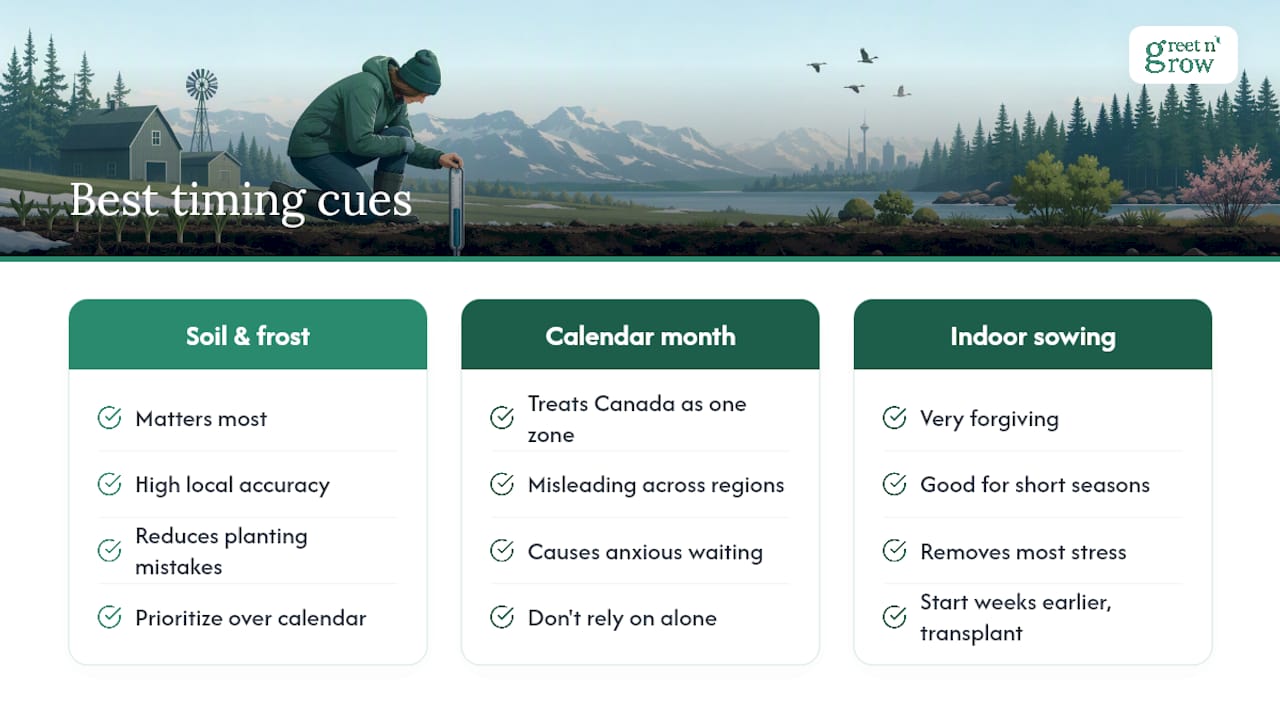
The other thing conventional advice underplays is how forgiving indoor sowing actually is. Gardeners in short-season regions often wait anxiously for a narrow outdoor window instead of just starting seeds inside weeks earlier, then transplanting once frost risk clears. That single change removes most of the stress around “did I miss my chance this year.”
If you take one thing from this guide, prioritize the soil-temperature and frost checks over the date on your calendar. Everything else, container choice, watering habits, thinning seedlings, matters less than getting that first call right.
— Trevor
Ready to plant something meaningful this year?
A card that ends up in the recycling bin a week after a birthday is a missed opportunity. Greetngrow’s plantable cards are made in Canada from 100% post-consumer recycled paper, embedded with non-GMO, non-invasive seeds, so the same card that carries your message can also grow real flowers on someone’s windowsill or in their garden bed.
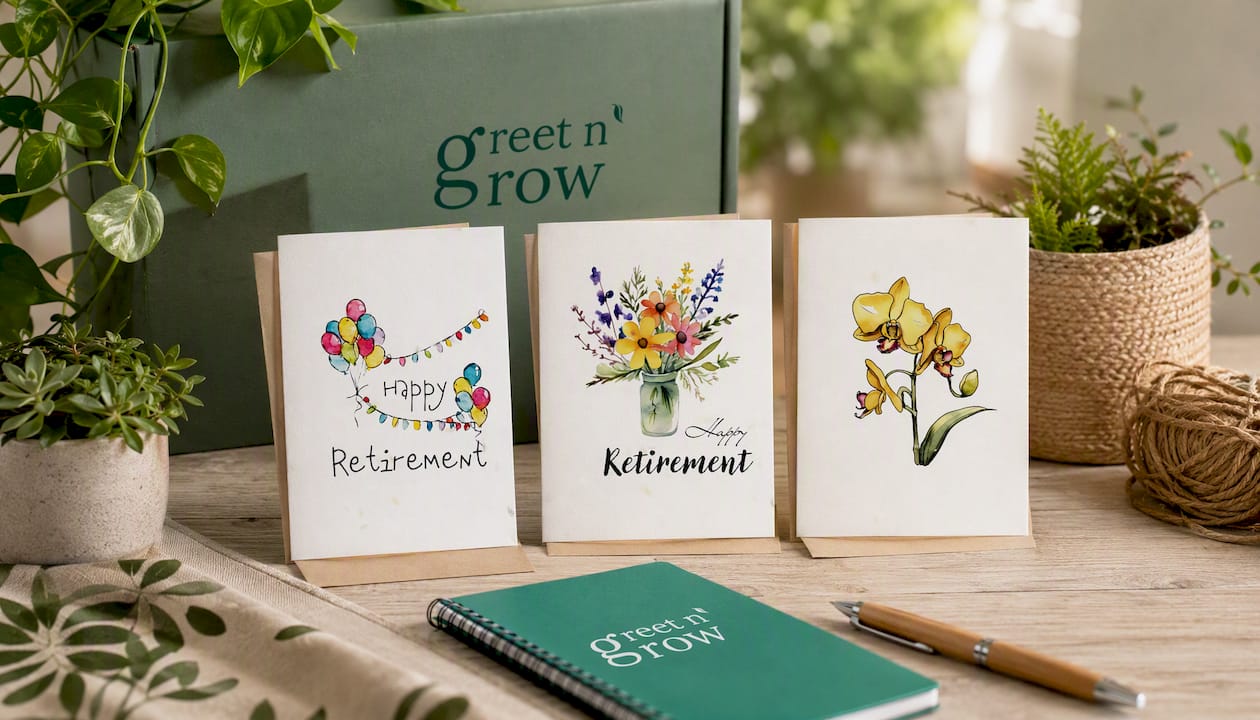
For a celebration that deserves more than a store-bought sentiment, the Happy Retirement Card With Balloons and Happy Retirement Card With Flowers both give retirees something to look forward to well past the party. If you’d rather send a quieter, elegant gesture, the Orchid Flower Greeting Card blooms into exactly what it depicts. Each card ships plastic-free, arrives blank inside for your own note, and comes with planting instructions. Browse the full collection of plantable greeting cards to find the right one, or check out our plantable wedding cards and seed paper Valentines for other occasions worth planting.
Sources
- So you’ve received seed paper — now what? | Pacific Public Health Foundation
- Seeded paper: our answers to your questions - SOBEZONE
- How To Plant Seeded Paper - Dynamic Print
FAQ
How long does it take for seed paper to grow?
Under good conditions, seed paper typically sprouts within 7 to 10 days, with full blooms following about 8 to 12 weeks after planting. Consistent moisture and warm soil are the biggest factors in hitting that timeline.
How long is seed paper good for?
Seed paper stays viable for a while when stored in a cool, dry place away from humidity. Many practical guides suggest planting within about two years for the best germination results, since viability declines gradually with age.
How much does seed paper cost?
Pricing for Greetngrow’s plantable cards, including the Happy Retirement and Orchid Flower designs, is listed directly on each product page. Prices vary by design and any bundle you choose.
How does seed paper work?
Seed paper is recycled paper embedded with real seeds, planted directly into soil where the paper breaks down and the seeds germinate. Cover it with a thin layer of soil, water consistently, and sprouts typically emerge within 7 to 10 days.
What is the best time to plant seed paper outdoors in Canada?
Spring after your last frost date is generally the most reliable window across most Canadian climates without hard freezes. Early autumn works too, as long as the soil is still warm from summer.